

Being involved in an accident can be stressful, especially when you believe you may have contributed to what happened. Many people assume they cannot recover compensation if they share responsibility for an accident. However, depending on the circumstances and applicable state laws, you may still have the right to pursue compensation. Consulting a personal injury lawyer can help you understand how shared fault affects your legal options and potential recovery. In Tarzana, California, understanding comparative negligence is particularly important because state law allows injured individuals to seek compensation even when they are partially responsible. Knowing how fault is determined, what evidence matters, and when to take legal action can help you make informed decisions about your claim.
Understanding Comparative Negligence in California
Comparative negligence is a legal principle used to determine how responsibility is divided when multiple parties contribute to an accident. Instead of automatically preventing an injured person from recovering compensation, the law considers each party’s percentage of fault.
California follows a pure comparative negligence system. This means an injured person may still recover damages even if they are mostly responsible for the accident, although their compensation is reduced according to their percentage of fault.
Can You File a Claim If You Share Responsibility?
Yes, you may still file a personal injury claim if you were partially responsible for an accident in California. Your ability to recover compensation depends on the available evidence and how responsibility is assigned.
For example, if your damages total $100,000 and you are found 30% responsible, your potential recovery would be reduced to $70,000. Understanding this calculation can help you evaluate whether pursuing a claim is worthwhile.
How Is Fault Determined in a Personal Injury Case?
Determining fault involves examining the circumstances surrounding an accident. Insurance companies, attorneys, and sometimes courts review evidence to establish how each party contributed to the incident.
Important factors may include traffic laws, witness statements, photographs, accident reports, and physical evidence. A personal injury lawyer can review these details and help explain how negligence may affect your potential compensation.
How Comparative Negligence Affects Your Compensation
Your percentage of responsibility directly affects the amount of compensation you may receive. Under California’s comparative negligence rules, your award is reduced by your assigned percentage of fault.
For instance, if your total damages are $50,000 and you are considered 20% responsible, your potential compensation would be $40,000. Even when responsibility is shared, pursuing a claim may still provide an opportunity to recover financial losses.
Common Situations Involving Shared Fault
Partial responsibility can occur in many different accident situations. Car accidents are a common example, particularly when multiple drivers make mistakes that contribute to a collision.
Other situations may involve slip-and-fall accidents, workplace-related incidents, pedestrian accidents, and other negligence claims. Each case has different circumstances, making it important to examine the actions of everyone involved before determining responsibility.
What Evidence Can Help Support Your Claim?
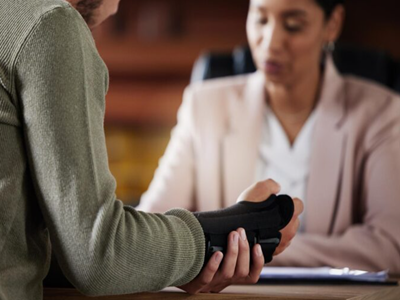
Evidence plays an important role in establishing what happened and determining how responsibility should be divided. Strong documentation can help explain the circumstances of an accident and support your version of events.
Useful evidence may include medical records, photographs, surveillance footage, witness statements, police reports, and repair estimates. Keeping organized records of your injuries, expenses, and accident-related communications can also help strengthen your claim.
Can Insurance Companies Blame You for the Accident?
Insurance companies may investigate an accident to determine whether you contributed to the incident. Sometimes, an insurer may argue that your actions increased your responsibility in an attempt to reduce the amount it must pay.
You should carefully review any settlement offers and avoid assuming that the insurance company’s fault assessment is automatically correct. A personal injury lawyer can help evaluate the insurer’s position and explain your available options.
California’s Deadline for Filing a Personal Injury Claim
California generally provides two years from the date of injury to file a personal injury lawsuit. However, certain exceptions may apply depending on the circumstances, including claims involving government entities.
Claims against government agencies generally require an administrative claim within six months. Missing an applicable deadline can affect your ability to pursue compensation, so understanding the relevant filing requirements is important.
Why Legal Guidance Matters When You Share Fault
Handling a personal injury claim involving shared responsibility can become complicated. You may need to evaluate evidence, respond to insurance company arguments, calculate damages, and understand how California negligence laws apply.
Working with a personal injury lawyer can help you understand the legal process and assess your options. Legal guidance may also help you avoid common mistakes, evaluate settlement offers, and prepare for potential disputes over responsibility.

Frequently Asked Questions
Can I receive compensation if I am 50% at fault?
Yes. California follows pure comparative negligence, so you may recover compensation reduced by your percentage of responsibility.
Can I file a claim if I am 90% responsible?
Yes. California law generally allows recovery even when you are 90% responsible, although your compensation would be reduced by 90%.
Who determines my percentage of fault?
Insurance companies may initially evaluate responsibility, but a court can make the determination if the case proceeds to trial.
Does partial fault affect my settlement?
Yes. Your compensation is generally reduced according to your percentage of responsibility under California’s comparative negligence system.
Should I hire an attorney if I was partially responsible?
Legal guidance can help you understand your rights, evaluate evidence, and determine whether pursuing compensation is appropriate.
Conclusion
Being partially responsible for an accident does not automatically prevent you from pursuing compensation in California. Under the state’s pure comparative negligence system, injured individuals may still recover damages even when they share significant responsibility. However, the amount of compensation depends on the percentage of fault assigned to each party and the evidence supporting the claim.
Understanding your legal rights, documenting your injuries, and being aware of filing deadlines can make a meaningful difference in your case. Before accepting an insurance settlement or deciding not to pursue a claim, consider getting legal guidance. Every accident has unique circumstances, and reviewing the available evidence can help you make a more informed decision about your next steps.
Speak With Gdolian Law About Your Injury Claim
If you were injured in an accident and believe you may share some responsibility, Gdolian Law can help you better understand your legal options. You do not have to assume that partial fault automatically eliminates your opportunity to pursue compensation.
Contact Gdolian Law in Tarzana at 424-274-1046 to discuss your situation and learn more about your potential legal options. Getting the right information can help you move forward with greater confidence.