
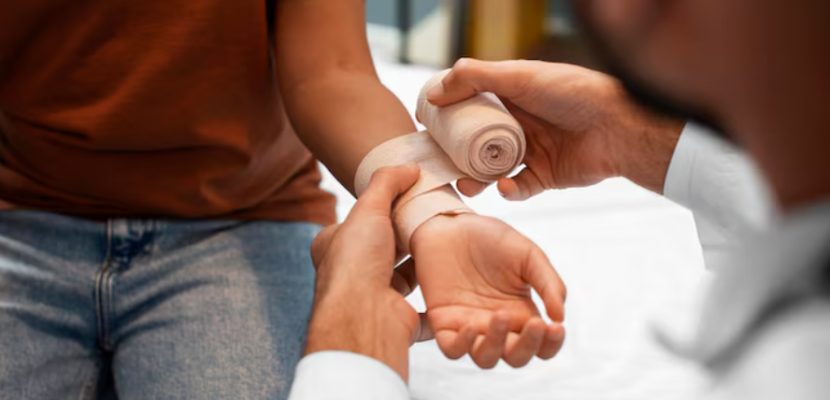
After an accident, injury, or other harmful incident, many people search for a personal injury lawyer near me because they are unsure about what to do next. Medical bills, missed work, insurance calls, and questions about who is responsible can quickly become overwhelming. A personal injury attorney can help explain your legal options and guide you through the claims process.
Personal injury lawyers represent people who may have been injured because of another person’s negligence or wrongful conduct. Their responsibilities can include investigating accidents, collecting evidence, communicating with insurance companies, evaluating damages, negotiating settlements, and representing clients in court when necessary.
Understanding what an attorney actually does can help you decide whether legal representation may be appropriate for your situation and what you can expect during the process.
Evaluating Your Personal Injury Claim
One of the first things a personal injury lawyer does is review the circumstances surrounding an injury. The attorney needs to understand what happened, who may have been responsible, what injuries occurred, and what financial or personal losses resulted from the incident.
During an initial consultation, the lawyer may ask questions about the accident, medical treatment, insurance coverage, witnesses, property damage, and other relevant details. Documents such as police reports, photographs, medical records, and insurance correspondence can help provide a clearer picture.
Not every accident automatically results in a successful personal injury claim. The available evidence must generally support the legal basis for seeking compensation. An attorney can help determine whether another party may have acted negligently or otherwise contributed to the injury.
Investigating the Accident and Gathering Evidence
A thorough investigation can be one of the most important parts of a personal injury case. An attorney does not simply rely on the injured person’s memory of an incident. Instead, they may gather documentation and other evidence that helps establish what actually happened.
Depending on the case, evidence may include accident reports, photographs, video footage, medical records, witness statements, employment records, and insurance documents. In certain situations, an attorney may also work with professionals who can provide specialized opinions.
For example, an accident reconstruction professional may help explain how a vehicle collision occurred. Medical professionals may provide information about the nature of an injury and whether additional treatment may be necessary.
Evidence can become more difficult to obtain as time passes. Witnesses may forget important details, video recordings can be deleted, and physical conditions at an accident location can change.

Handling Insurance Companies
Insurance companies often play a major role in personal injury claims. Although insurance adjusters may appear helpful, their responsibility is to evaluate claims on behalf of the insurance company. Their interests may not always be the same as those of an injured person.
A lawyer can communicate with insurance representatives and handle many of the discussions involved in a claim. This can help reduce the pressure on an injured person while ensuring that important communications are handled carefully.
Insurance companies may question liability, request medical information, or make settlement offers. An attorney can review these issues and explain how they may affect the claim.
An early settlement offer may seem attractive, especially when medical bills are accumulating. However, accepting an offer may resolve the claim and prevent the injured person from seeking additional compensation later. A lawyer can evaluate whether an offer reasonably reflects the available damages and circumstances.
Calculating Potential Compensation
Determining how much a personal injury claim may be worth is not simply a matter of adding medical bills. Several types of losses may need to be considered depending on the circumstances and applicable law.
Economic losses can include medical expenses, rehabilitation costs, lost wages, property damage, and other financial consequences connected to an injury. Documentation such as medical bills and employment records can help establish these losses.
Some claims may also involve non-economic damages. These can relate to pain, emotional distress, limitations on daily activities, and the effect an injury has had on a person’s quality of life.
The severity and duration of an injury can be important considerations. A temporary injury may affect a person differently from an injury requiring long-term treatment or creating permanent limitations.
An attorney can review available records and other evidence to develop a reasonable assessment of potential damages. This information may be useful during settlement negotiations with an insurance company or opposing party.
Why Medical Records Are Important
Medical records can provide important evidence in a personal injury claim. They help document the diagnosis, treatment, progression, and potential consequences of an injury.
After an accident, following appropriate medical advice can be important for recovery as well as documentation. Records can establish when treatment began and what healthcare professionals observed.
An attorney may review medical records and bills to understand the extent of the injury and the costs associated with treatment. If future care may be necessary, additional medical information may help establish potential ongoing expenses.
Medical documentation can also become important when an insurance company questions whether an injury was caused by an accident. Consistent records may help demonstrate the connection between the incident and the claimed condition.
When Should You Contact an Attorney?
There is no universal rule about when someone should contact an attorney after an accident. However, speaking with a lawyer sooner rather than later may be helpful when injuries are serious, liability is disputed, or an insurance company is involved.
Someone searching for a personal injury lawyer near me may benefit from an early consultation because legal claims can involve deadlines. The time available to bring a claim depends on the type of case and applicable law.
Early legal guidance can also help prevent mistakes. An injured person may not realize that certain statements, documents, or social media posts could become relevant if the claim is disputed.
Contacting an attorney does not necessarily mean a lawsuit will be filed. Many personal injury cases are resolved through negotiations or settlements without reaching trial.
A consultation allows an attorney to review the circumstances and explain potential options. It also gives the injured person an opportunity to ask questions before deciding whether to proceed with representation.

What Happens If a Lawsuit Is Necessary?
Not every personal injury claim goes to court. However, if negotiations fail or an appropriate settlement cannot be reached, filing a lawsuit may become necessary.
A lawsuit can involve several stages. These may include filing legal documents, exchanging evidence, responding to requests from the opposing side, attending hearings, participating in depositions, and continuing settlement negotiations.
During the discovery process, both sides may request information relevant to the case. Attorneys use this information to understand the evidence and prepare their legal arguments.
Many cases settle before trial because both parties may prefer to avoid the uncertainty and expense associated with litigation. However, if a trial does occur, an attorney presents evidence and arguments on behalf of the client.
How a Local Attorney Can Help
When people search for a personal injury lawyer near me, they often want convenient access to an attorney who understands the local community and legal process. Working with a local law firm can make communication and consultations more accessible.
For individuals in Tarzana, a local attorney can provide guidance based on the specific circumstances of an accident or injury. The attorney can explain the legal process, review available evidence, and discuss potential options.
A local lawyer may also coordinate with insurance companies, medical providers, witnesses, experts, and other parties involved in a claim. This can help keep the different parts of a case organized.
What Should You Bring to a Consultation?
Preparing some basic information before meeting with an attorney can make the consultation more productive. You do not need to have every document available, but anything related to the accident or injury may be useful.
Bring accident or police reports, photographs, medical bills, treatment records, insurance correspondence, and information about lost wages when available. If witnesses were present, write down their names and contact information if you have it.
It can also help to prepare a simple timeline of events. Include when and where the accident occurred, what happened, when you sought medical attention, and how the injury has affected your work or daily activities.
Conclusion
A personal injury lawyer near me can provide much more than assistance with paperwork. An attorney can investigate an accident, collect evidence, communicate with insurance companies, evaluate damages, negotiate settlements, and represent an injured person if litigation becomes necessary.
For individuals in Tarzana, Gdolian Law – Car Accident & Personal Injury Attorneys can help explain legal options following a car accident or other personal injury. Every claim is different, and the potential outcome depends on the facts, evidence, injuries, losses, and applicable law.
If you are dealing with an injury and are unsure what to do next, speaking with an attorney can help you understand your options. Contact Gdolian Law – Car Accident & Personal Injury Attorneys at 424-274-1046 to discuss your situation and learn about potential next steps.
https://www.spreaker.com/episode/what-does-a-personal-injury-lawyer-near-me-actually-do–74258974
https://www.podomatic.com/podcasts/salliesulliva85podcast/episodes/2026-08-18T08_1
https://stream.redcircle.com/episodes/16e2648d-b160-4ed0-9d26-dd574960e951/stream.mp3